
Gannon University IRB Portal Triple Platform Digital Transformation
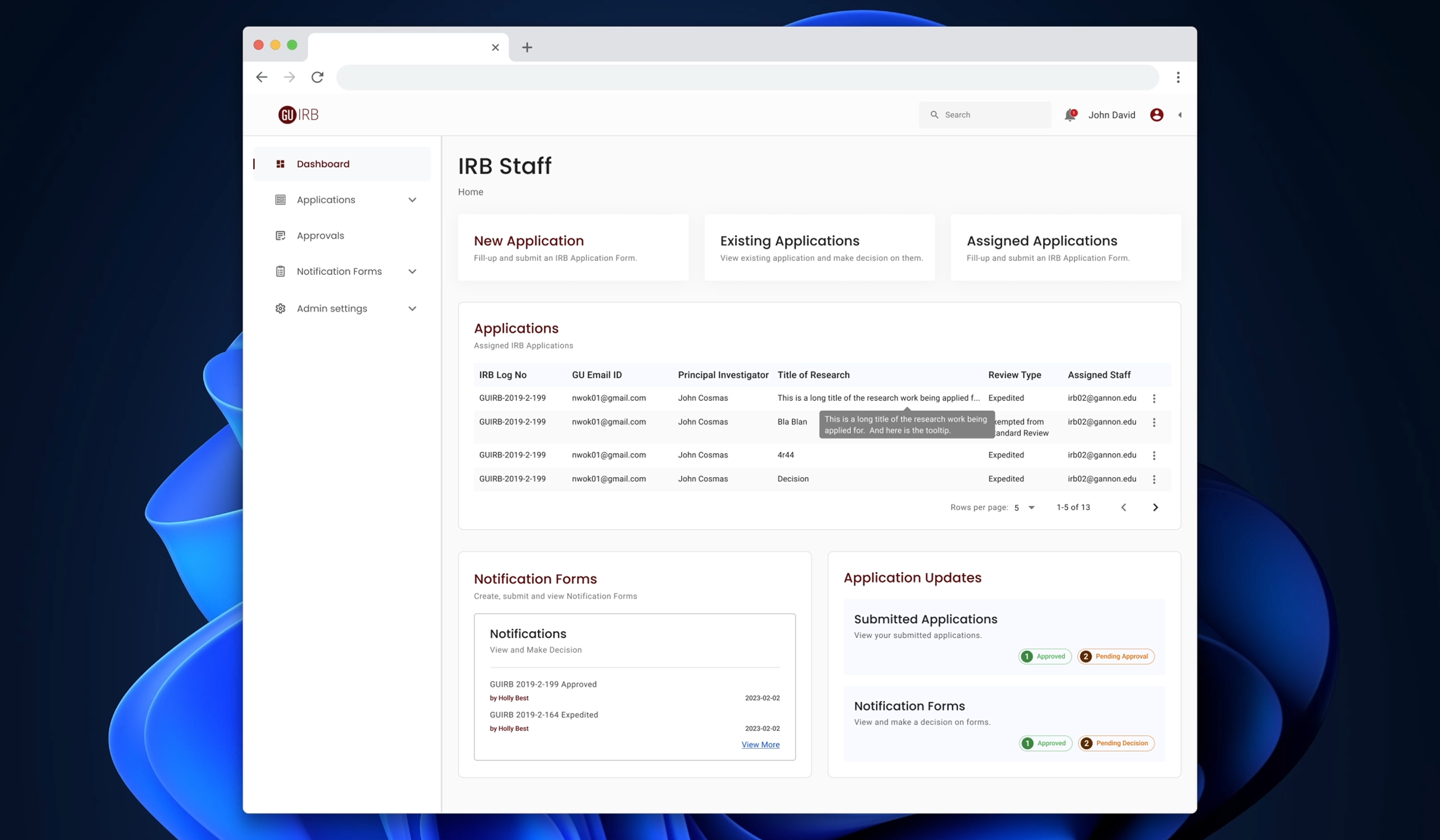
Designinga high velocity research engine for institutional compliance and administrative efficiency
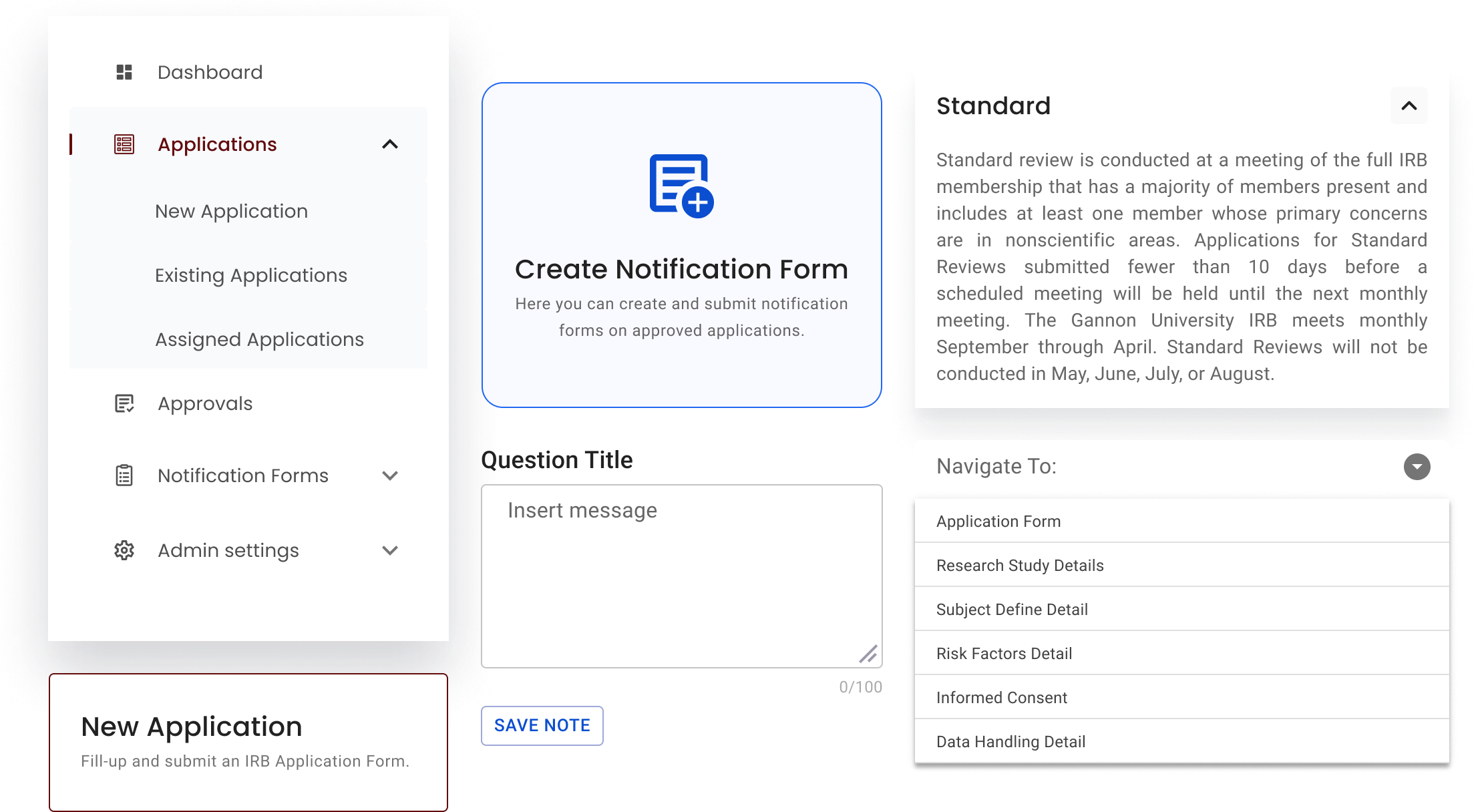
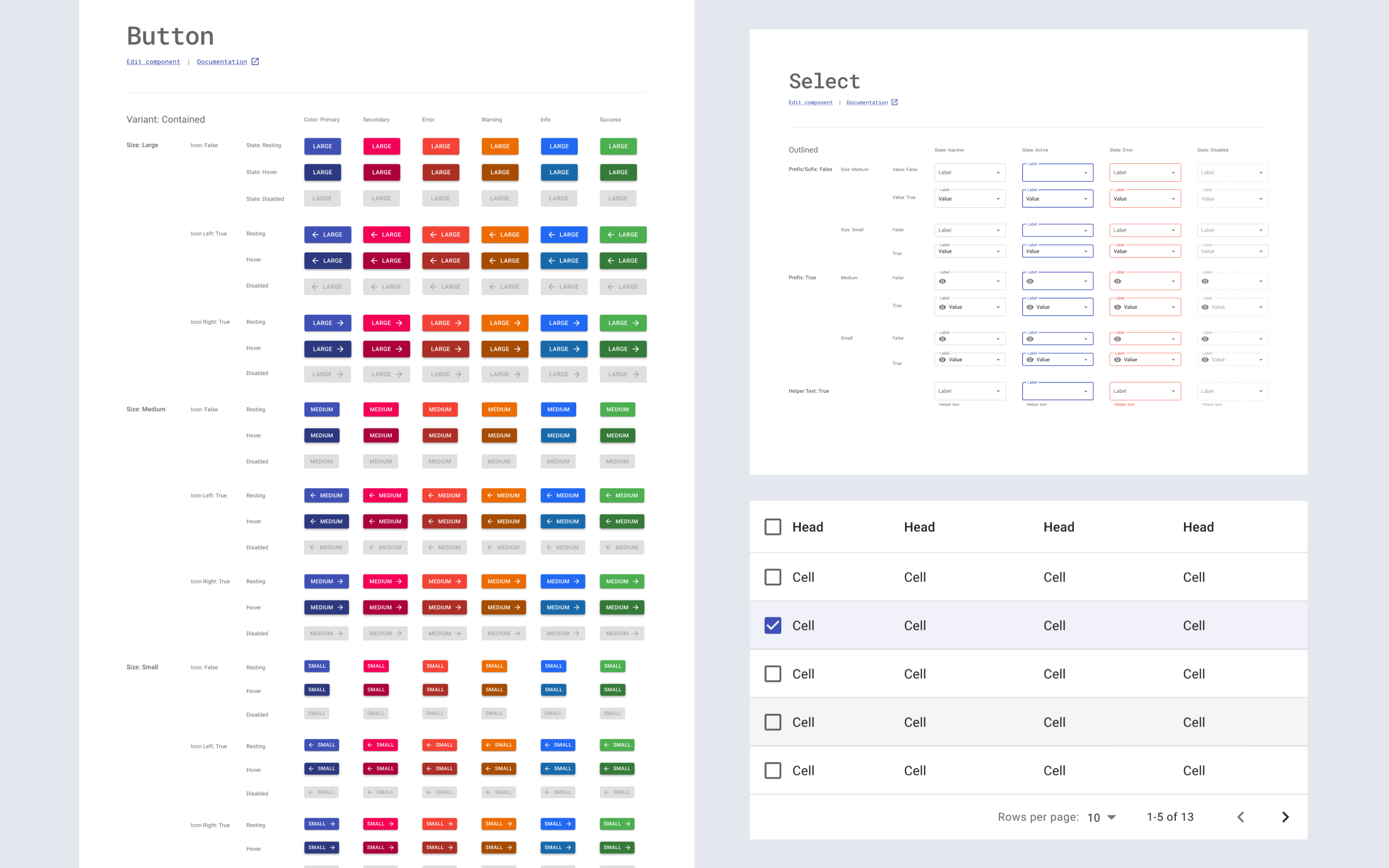
A few Components from the Design
The Challenge
The legacy IRB infrastructure was a critical bottleneck for institutional research. Approval delays lasted up to four months which stalled research funding. The system suffered from a 70 percent error rate caused by a constant re work loop between faculty and reviewers. Federal regulations created a high cognitive load that overwhelmed users and created systemic friction across the university.
The Solution
We led an end to end transformation by engineering a three tiered digital ecosystem. We replaced the fragmented paper process with an Enterprise Research Engine that serves as the institutional source of truth. By implementing choice architecture and conditional logic we removed 60 percent of irrelevant tasks. This ensured 100 percent alignment with federal regulatory markers before any submission reached the staff queue.
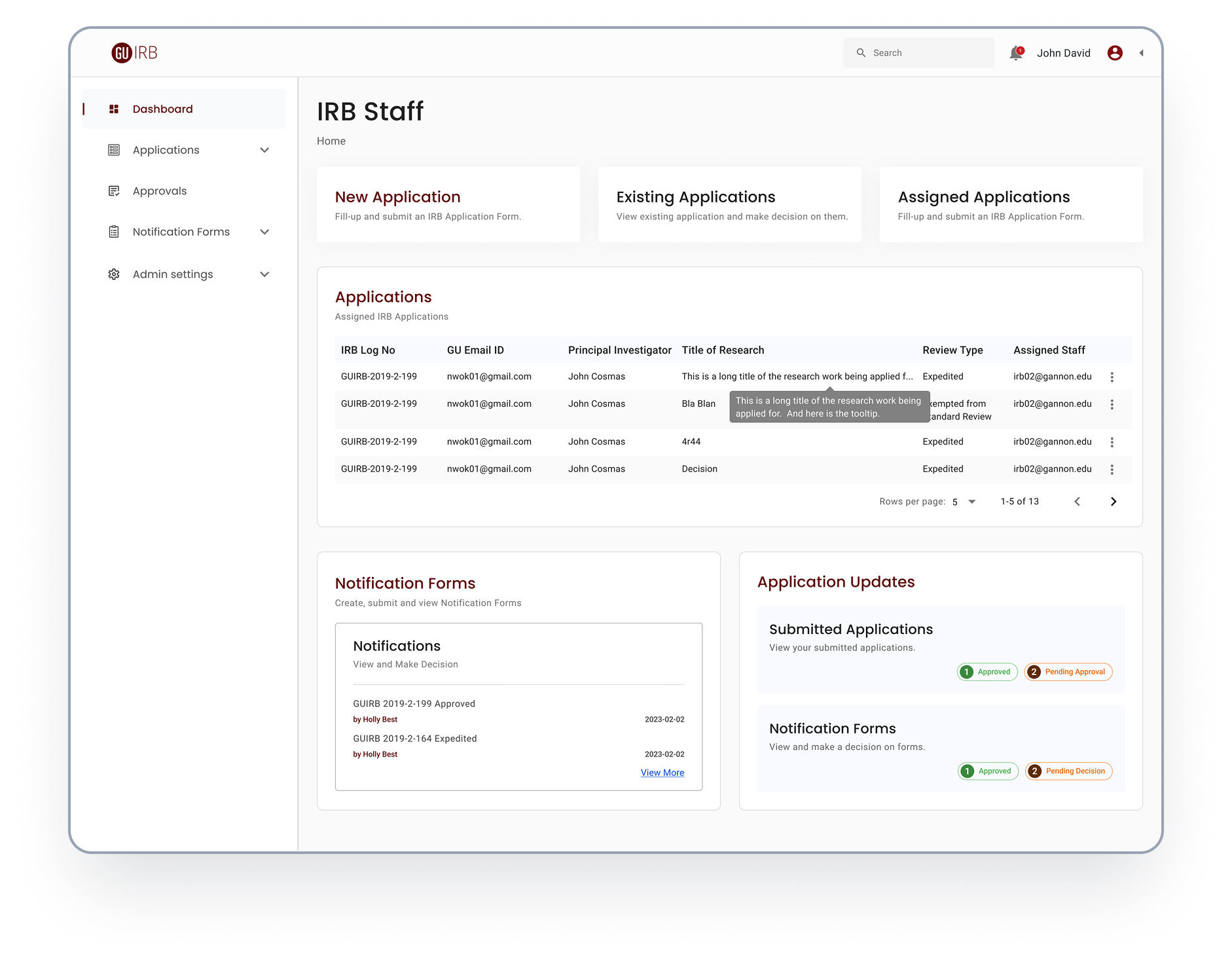
The IRB Staff Dashboard
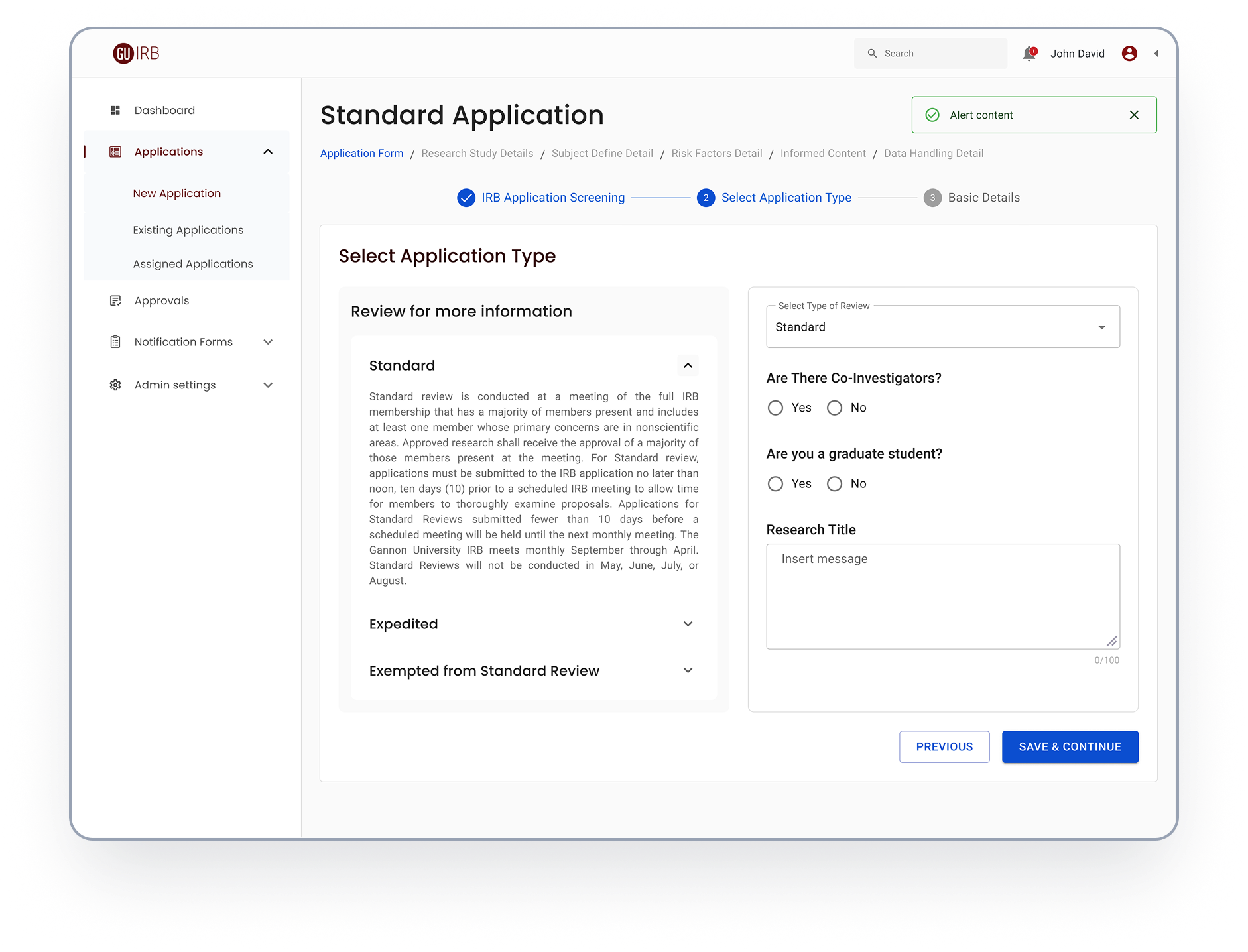
New IRB Standard Application Process
The Institutional Website
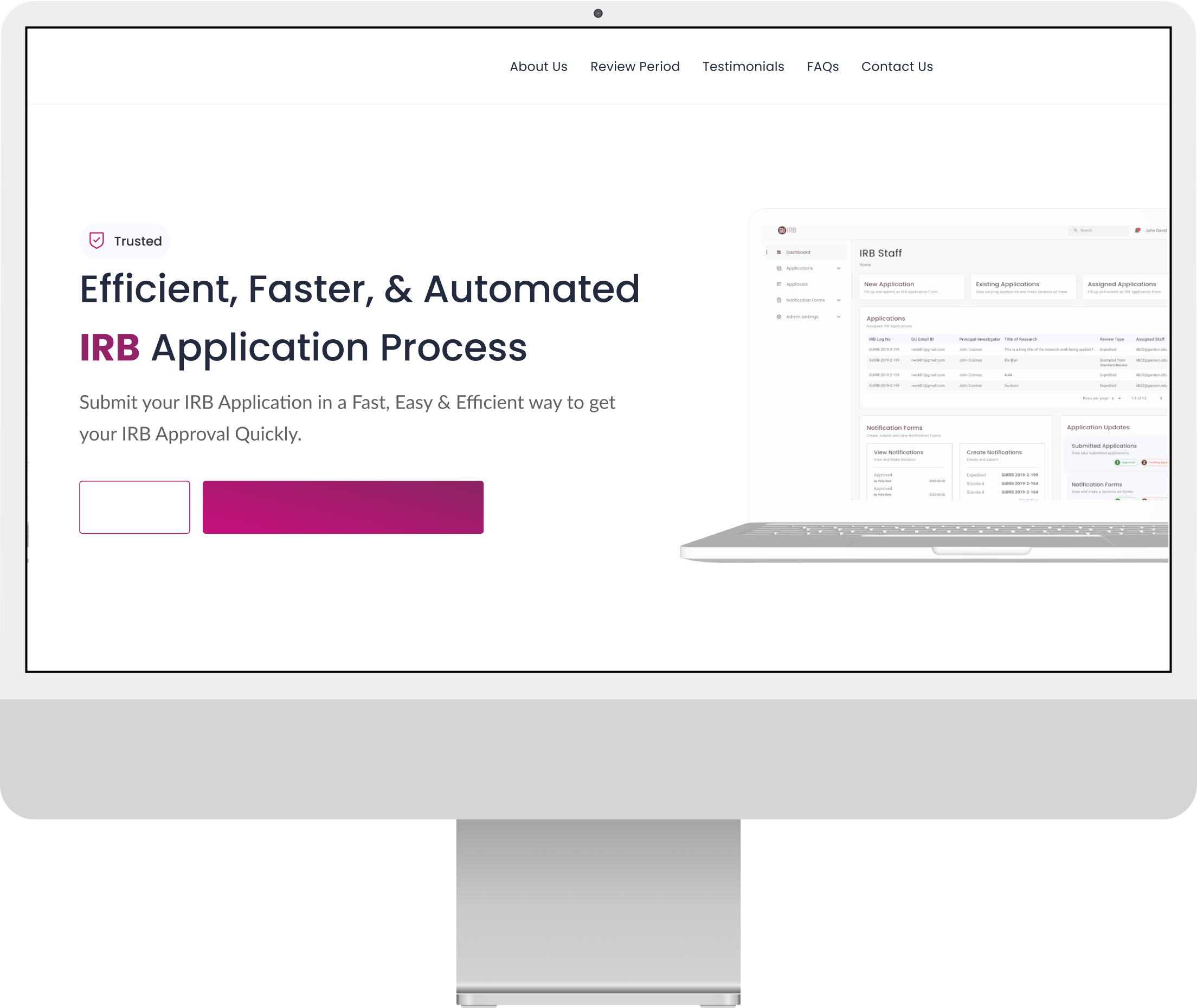
This is the public gateway designed for transparency and federal compliance. The UI prioritizes high readability typography and accessible navigation. We ensured that researchers can access legal definitions and screening gates with zero ambiguity.
Live Link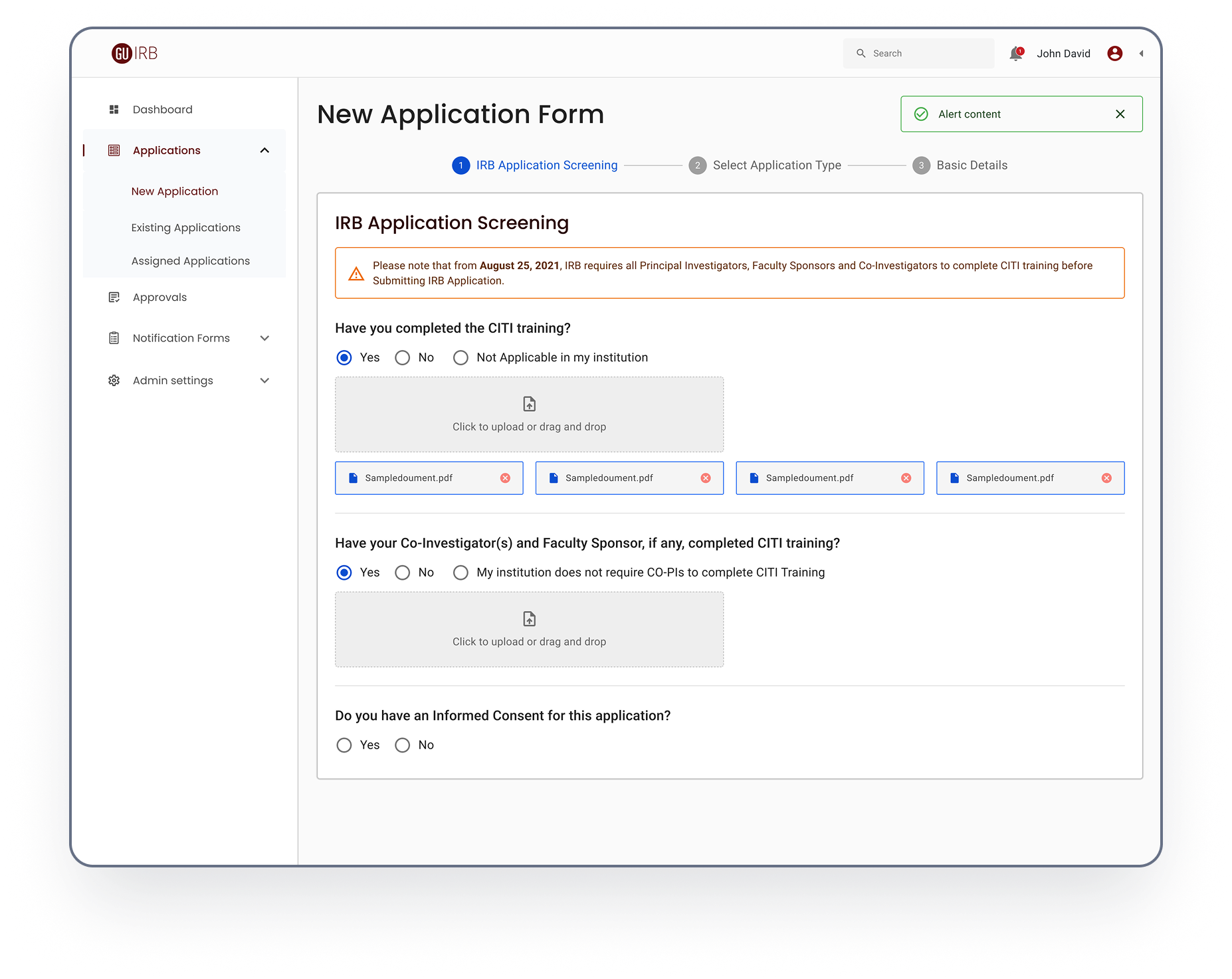
New Application Form Screening Process
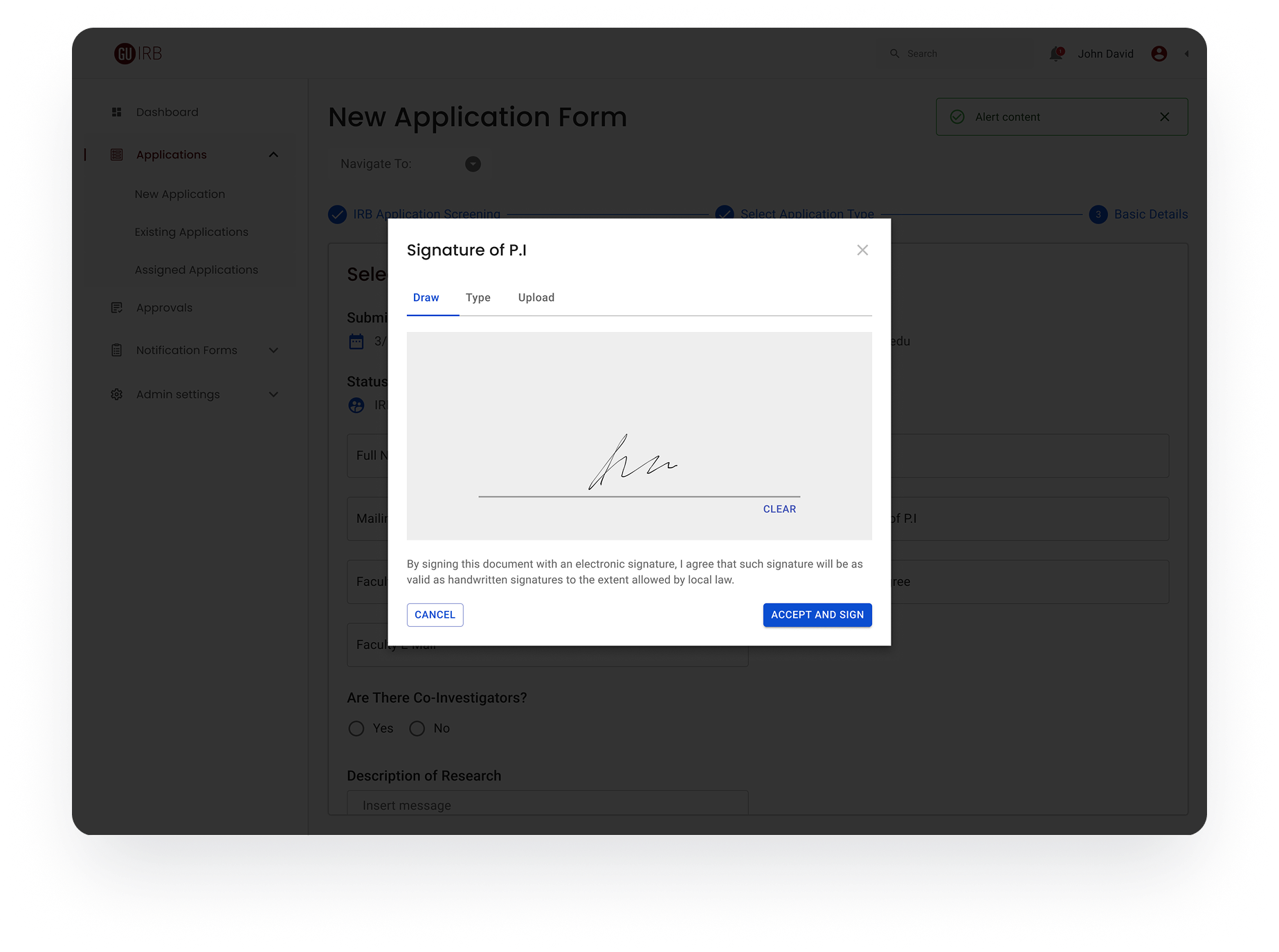
Application Form Signing Feature
The Student Portal
To solve the high error rate we engineered a multi step intake web app. This includes a predictive intake wizard with active validation. We implemented hard stops in the UI logic that prevent incomplete submissions. The system uses 12 regulatory markers to auto sort projects into specific review categories.
The Staff Control Tower
For the IRB Board we designed a high performance administrative engine. We used a status driven color system using Audit Blue and Success Neon to provide instant cues. The data density is managed through a strict grid layout that displays complex regulatory points simultaneously. This reduced the time to review by 45 percent.
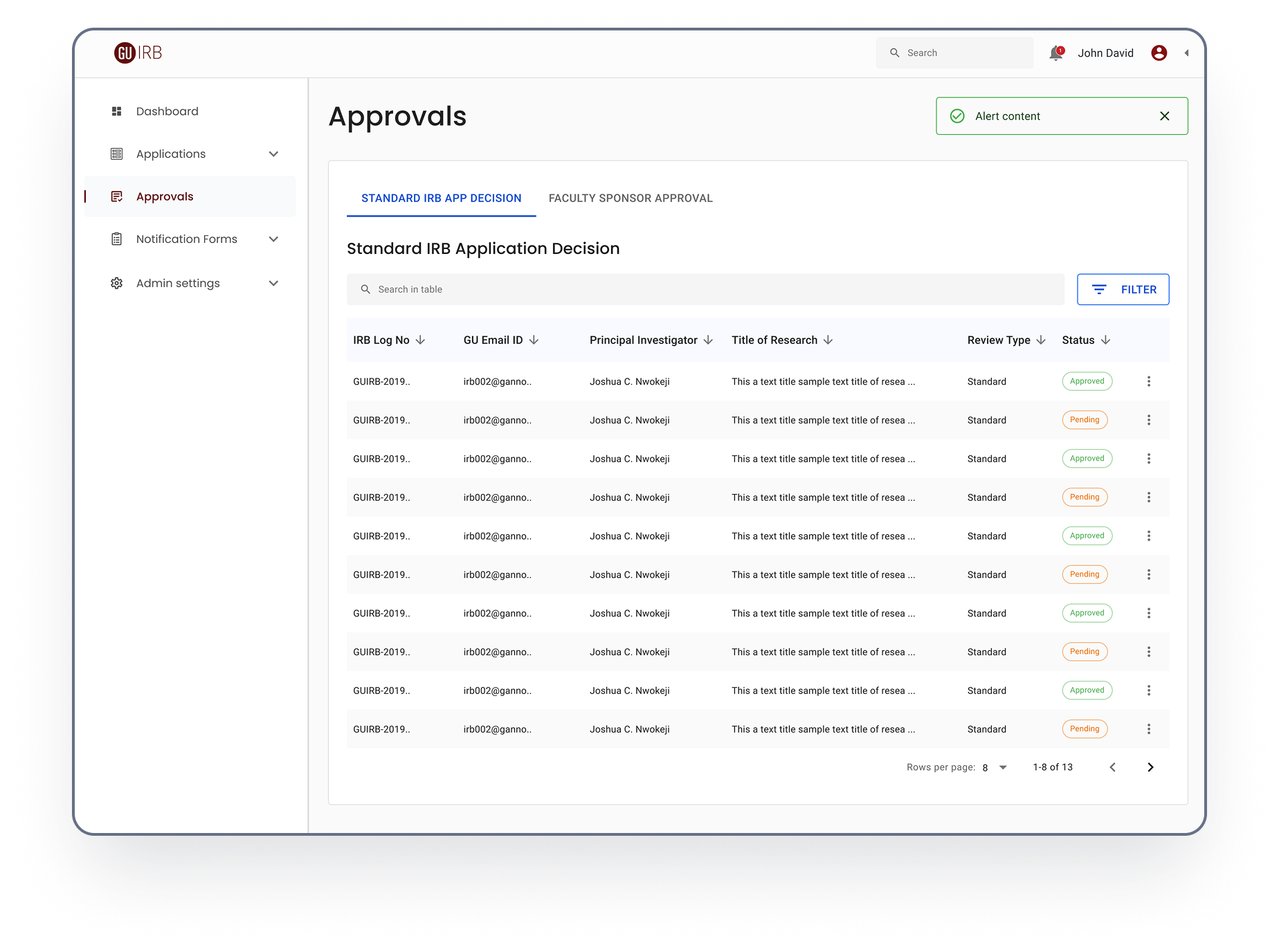
Admin / Staff Approvals Screen
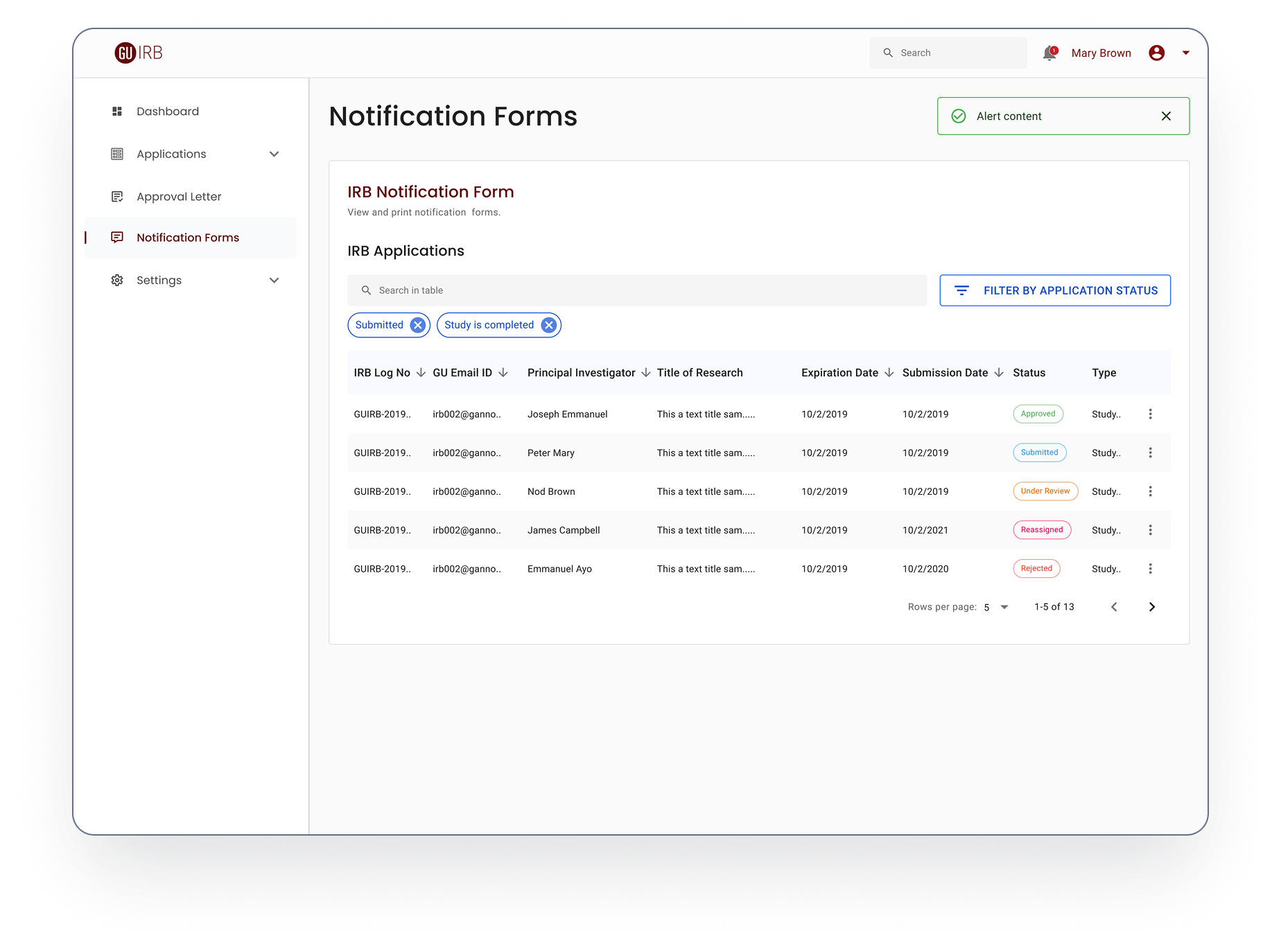
Application Form Signing Feature
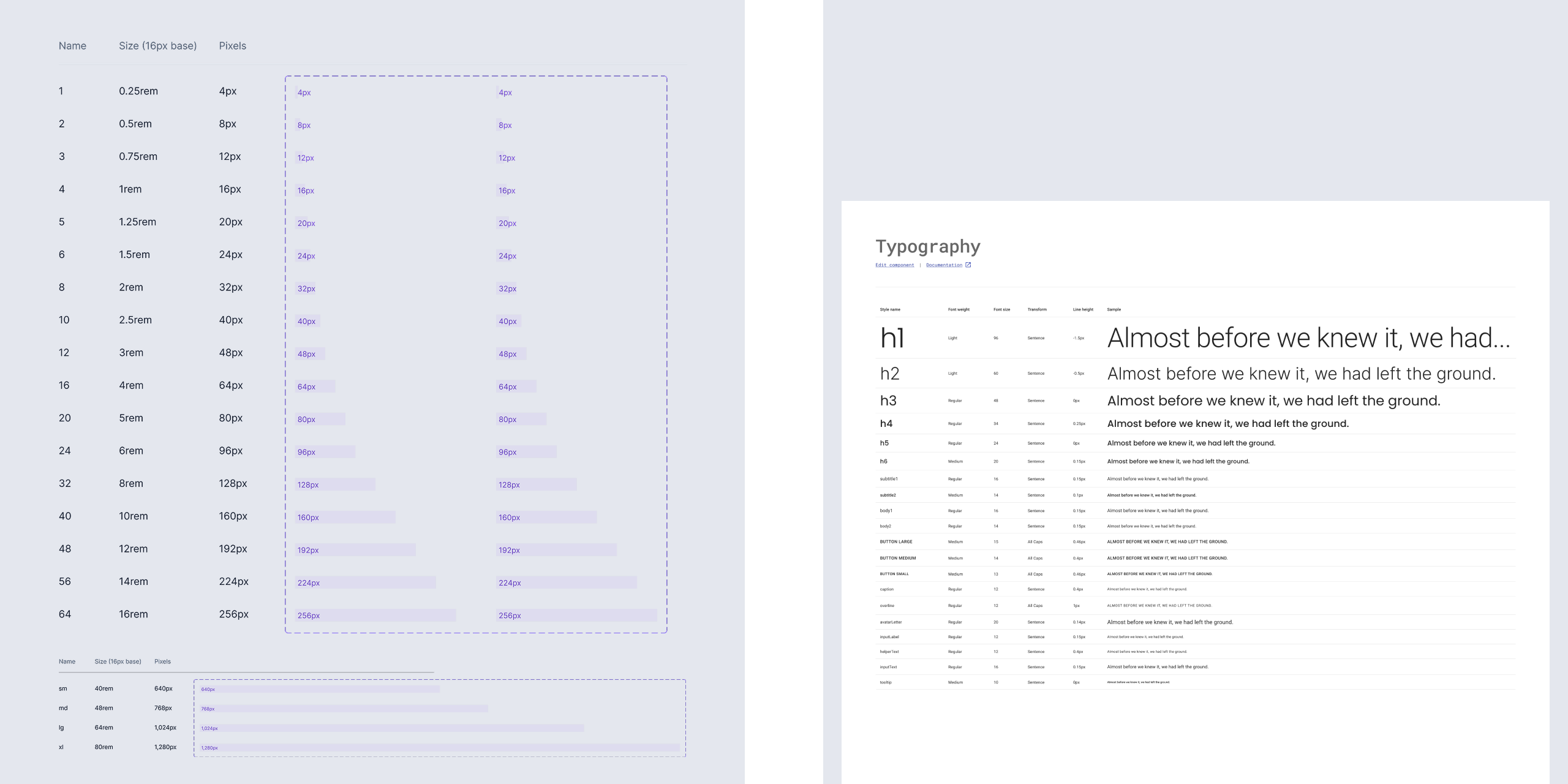
Visual Language and Tokens
The visual identity is engineered to evoke clarity and institutional trust. We used a high impact geometric sans serif type scale with the Inter font for maximum readability across dense research data. The color palette uses professional tones to guide user attention toward critical compliance markers and approval states.ß
Built for High-Speed Development
We engineered a modular Atomic Design System with over 100 reusable components to ensure stability across all three platforms.
- Enterprise Scale Standardized components minimized development drift and ensured 1 to 1 parity between the website and the web apps.
- Accessibility First Full WCAG 2.1 compliance guarantees that the platform is accessible to the entire academic population and meets federal mandates.
The Process
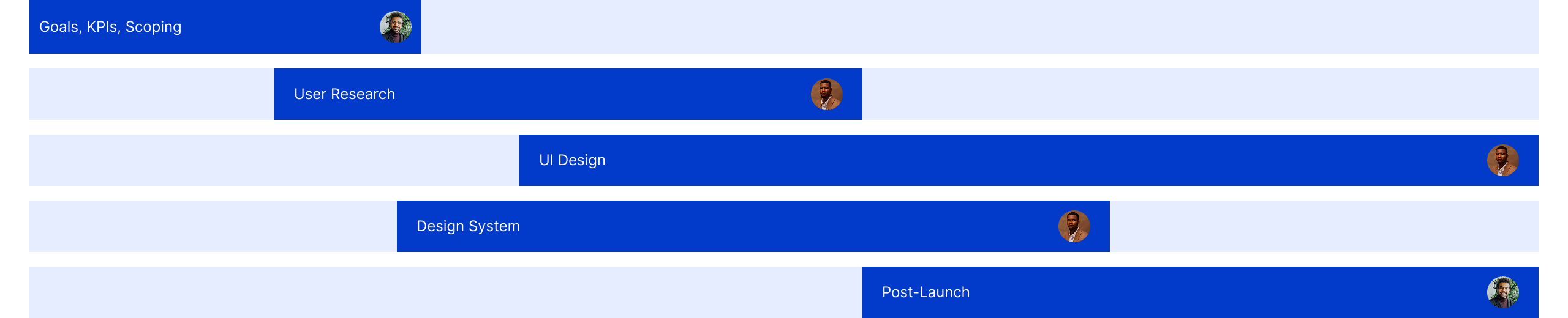
Our team moved from stakeholder audits to a developer ready handoff using a structured approach.
- UX Research We performed a stakeholder audit and mapping with the IRB Chief to identify why information overload was driving the backlog.
- Choice Architecture We pivoted to a strategy that used conditional logic to automate the sorting of research applications.
- Behavioral Stress Testing We conducted rigorous testing on 200 plus screens to ensure the system remained stable under high volume processing.
UX Research
3 Weeks
We performed a stakeholder audit and mapping with the IRB Chief to identify why information overload was driving the backlog. We conducted deep analysis to ensure the new system would remain stable under high volume processing.
UI Design & Testing
8 Weeks
We pivoted to a strategy that used conditional logic to automate the sorting of research applications. This phase involved designing over 200 screens to ensure every regulatory gateway was addressed with absolute precision.
Development & Post-Launch
4 Weeks
After the development phase from their in house team we then conducted rigorous behavioral stress testing. This ensured the system could handle complex institutional workflows and maintain a 90 percent acceleration in approval cycles.
Results
90%
Acceleration in research approval cycles moving from four months to 10 days.
73.5%
Accuracy boost by using UI guardrails to eliminate administrative re work loops.
450K+
Saved annually by reclaiming thousands of staff hours through operational efficiency.
Results
90%
Acceleration in research approval cycles moving from four months to 10 days.
73.5%
Accuracy boost by using UI guardrails to eliminate administrative re work loops.
450K+
Saved annually by reclaiming thousands of staff hours through operational efficiency.